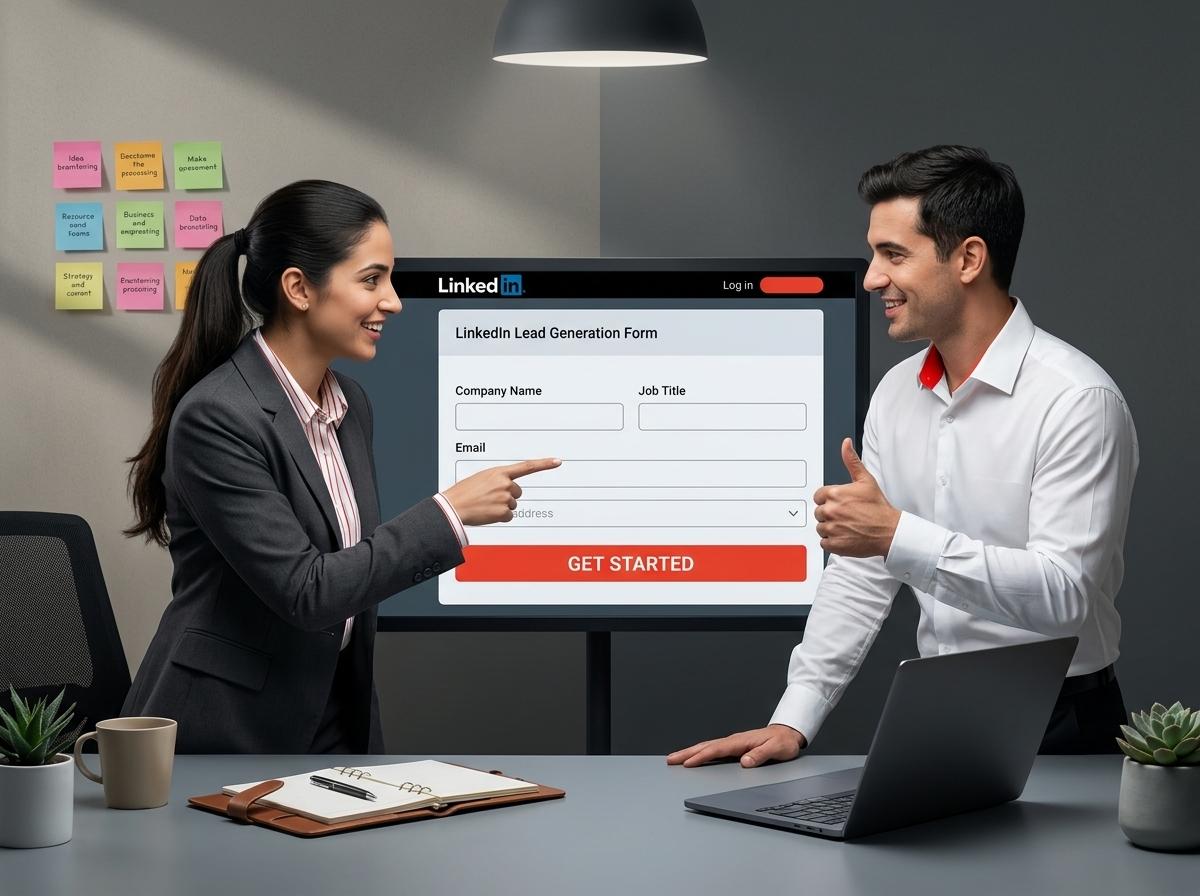
Most people treat LinkedIn Sales Navigator like a time sink—a place to scroll but not a tool to drive pipeline. What if you could turn it into a steady demand engine that pulls in qualified leads every week? We’ll show you how to stop wandering and start building predictable pipeline growth with LinkedIn Sales Navigator—and how to spot the gaps holding you back. Book your free 20-minute Demand Audit or take our 5-minute Demand Readiness Quiz. Let’s talk and map your first 30 days with Sales Navigator.
For those looking to cultivate a steady stream of qualified leads, learning how to build a demand engine instead of just adding more tasks can be a game-changer.
Transforming LinkedIn Sales Navigator
From Habit to Consistent Pipeline
Ready to turn LinkedIn Sales Navigator into a lead generator? The key lies in changing how you use it. Instead of mindless scrolling, you’ll focus on purposeful actions that build a consistent pipeline.
Harnessing the power of LinkedIn Sales Navigator starts with understanding its full potential. It’s not just a tool for browsing; it’s a platform designed for generating leads. By targeting specific profiles and engaging with them strategically, you can create a reliable source of potential clients.
Leveraging B2B Lead Generation Tactics
Once you’ve shifted your mindset, it’s time to apply B2B lead generation tactics. Here’s where precision comes into play. Aim for quality over quantity by focusing on building relationships with key decision-makers.
Engaging content is your ally. Share insights, ask questions, and start conversations that matter. This approach not only attracts attention but also establishes credibility and trust within your network. Remember, each interaction is an opportunity to build your pipeline.
Integrating LinkedIn with DV8 Growth Blueprint
Connecting LinkedIn Sales Navigator with the DV8 Growth Blueprint can revolutionize your lead generation strategy. This integration aligns your efforts, ensuring every action contributes to your overarching goals.
The DV8 Growth Blueprint offers a systematic approach to demand generation. By incorporating it with LinkedIn, you ensure a seamless flow of leads that feeds into your broader marketing efforts. This synergy is what transforms LinkedIn from a habit into a strategic asset.
Building Your Ideal Customer Profile
Narrowing Down the Right-Fit Few
Start your lead generation journey by identifying your ideal customer. This step is crucial for targeting your efforts effectively. It’s about knowing who fits your business best and focusing on them.
Define clear criteria for what makes a customer ideal. Consider factors like industry, company size, and decision-making roles. These specifics help narrow down your search, ensuring your efforts are directed at the most promising prospects.
Creating Target Account Lists
With your ideal customer profile in hand, the next step is to create targeted account lists. This involves compiling a list of companies and individuals that match your criteria. It’s about being strategic rather than random in your approach.
Segment your list based on priority and potential value. This segmentation allows for personalized outreach, increasing the chances of engagement. Remember, a well-structured list is the backbone of effective account-based marketing.
Effective Account-Based Marketing Strategies
Implementing account-based marketing (ABM) strategies transforms your approach from generic to specific. This means tailoring your messages and offers to meet the unique needs of each account on your list.
ABM is about quality interactions. Focus on understanding the pain points and goals of each account. Your messaging should reflect this understanding, positioning your solution as the perfect fit for their needs. This level of personalization can significantly boost your engagement and conversion rates.
Streamlining Your Sales Process

InMail Outreach and Social Selling
InMail outreach combined with social selling creates a powerful tool for engaging prospects. InMail allows direct communication with decision-makers, while social selling builds relationships through ongoing interaction.
Craft your InMail messages to be concise and value-driven. Address the recipient’s specific challenges and offer a solution. Social selling, on the other hand, involves engaging with prospects’ posts, sharing valuable content, and nurturing relationships over time.
CRM Integration and Lead Routing
Integrating LinkedIn Sales Navigator with your CRM system ensures smooth lead routing. This integration allows for seamless data transfer, keeping your sales process organized and efficient.
Lead routing involves assigning leads to the right sales reps based on predefined criteria. This ensures timely follow-up and maximizes the chances of conversion. A well-integrated system keeps your pipeline moving smoothly and prevents leads from slipping through the cracks.
Measuring Pipeline Growth and Success Metrics
To ensure your efforts are paying off, it’s essential to measure pipeline growth and success metrics. This involves tracking key performance indicators such as lead conversion rates, response times, and engagement levels.
Regularly reviewing these metrics gives you insight into what’s working and what needs adjustment. It’s about continuous improvement, ensuring your LinkedIn Sales Navigator efforts are driving tangible results for your business.
Frequently Asked Questions
How can I use LinkedIn Sales Navigator effectively for lead generation?
LinkedIn Sales Navigator is effective when used to identify and connect with decision-makers in your target industry. By creating personalized messages and engaging with prospects through content, you can build a reliable pipeline of leads.
What is the DV8 Growth Blueprint?
The DV8 Growth Blueprint is a systematic approach to demand generation, designed to integrate various marketing efforts into a cohesive system. It’s particularly effective when combined with tools like LinkedIn Sales Navigator for consistent lead generation.
How do I measure the success of my LinkedIn lead generation efforts?
Success can be measured by tracking metrics such as lead conversion rates, engagement levels, and the growth of connections within your target audience. Consistent review of these metrics helps refine your strategy for better results.