Lead Generation, Defined: From Clicks to Qualified Conversations

Lead Generation, Defined: From Clicks to Qualified Conversations

Uncategorized

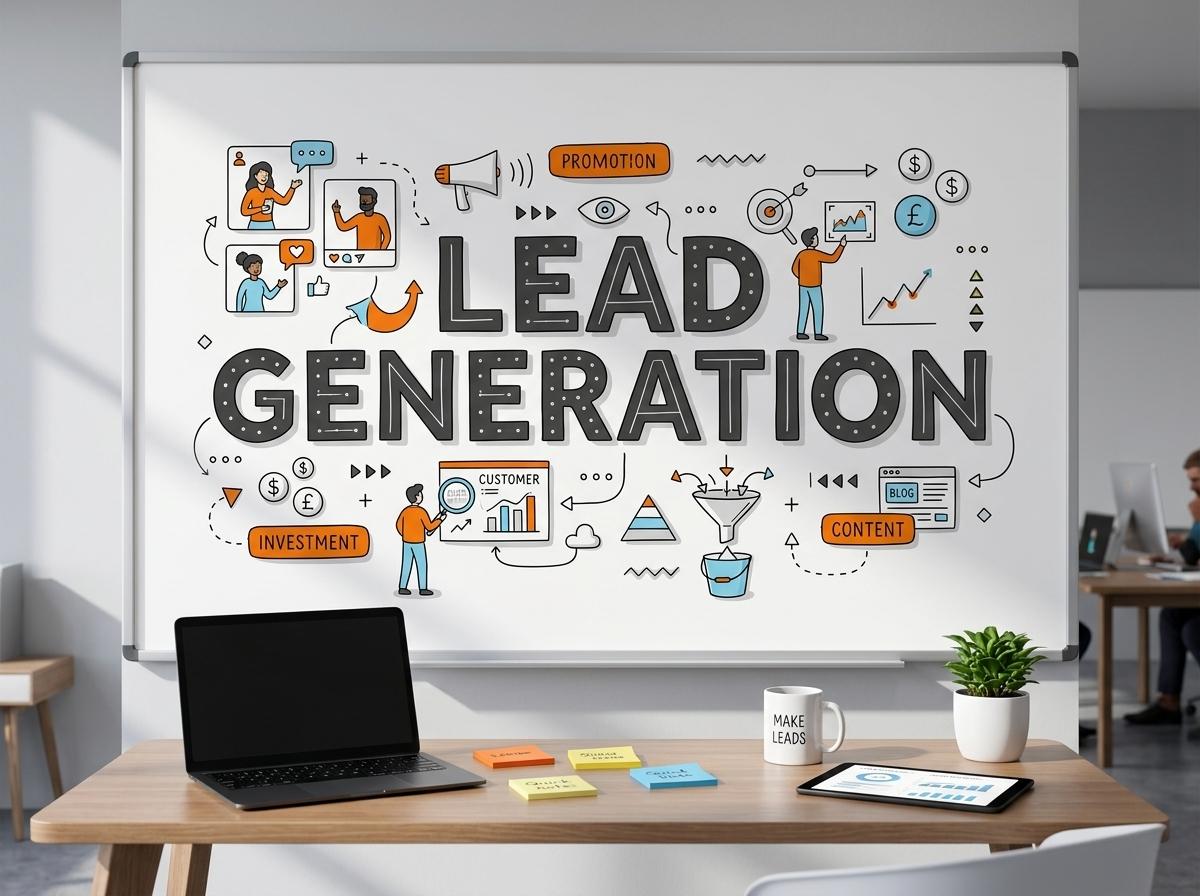
Most business owners think lead generation means just getting clicks or filling out forms. The truth? It’s about turning those clicks into qualified conversations that grow your pipeline and revenue. If you’re ready to move beyond random leads and build a system that works for your unique business, keep reading. We’ll break down the lead generation meaning and show how a tailored approach like the DV8 Growth Blueprint makes it real for small and midsize companies.

Lead Generation Unpacked

Defining Lead Generation Meaning

Lead generation isn’t just about clicks. It’s about initiating conversations that lead to potential sales. The goal is to connect with individuals genuinely interested in what you offer. When you understand the true meaning of lead generation, you see it as more than a numbers game. You’re building relationships that could turn into profitable opportunities.

With a clear definition, you can focus on strategies that attract the right audience. This means creating interest through targeted content and interactions. By doing so, you lay the groundwork for successful engagement and future sales. Remember, it’s about quality, not just quantity.

From Clicks to Qualified Leads

Turning clicks into qualified leads involves more than just capturing attention. It requires nurturing those initial interactions into meaningful conversations. When someone clicks on your ad or link, it’s the start of their journey with your brand. Your job is to guide them further down the path.

This involves understanding their needs and providing relevant information. Think of it as guiding a conversation: each step should bring them closer to a decision. By focusing on their journey, you create a smoother transition from interest to action. This is where true lead generation magic happens.

Demand Generation vs Lead Generation

Demand generation and lead generation might sound similar, but they serve distinct roles. Demand generation focuses on creating awareness and interest. It’s about getting your brand on the radar of potential customers. This involves broad strategies that attract attention and spark curiosity.

Lead generation, on the other hand, is about capturing that interest. It’s the process that turns curiosity into potential sales opportunities. While demand generation sets the stage, lead generation is what keeps the show going. Together, they form a powerful duo for building a robust sales pipeline.

Building a Strong Pipeline

filename 9338d048ac2367746ac5

Connecting Leads to Revenue

Your pipeline should be more than just a list of names. It’s about connecting those leads to actual revenue. This means understanding the value each lead brings to your business. When you can track how leads convert into sales, you see the bigger picture.

Consider the journey each lead takes. From the first contact to closing the deal, every step is crucial. By optimizing this process, you ensure that no opportunity is wasted. This approach connects your efforts directly to your bottom line, making every lead count.

Small Business Lead Gen Success

Success in lead generation for small businesses means leveraging your strengths. Unlike large corporations, you have the advantage of agility and personal connection. Use this to your benefit by creating tailored approaches that resonate with your audience.

Focus on building relationships and understanding your customers’ needs. This personal touch sets you apart and fosters loyalty. With a clear strategy, small businesses can achieve impressive results without the need for massive budgets or resources.

Conversion Funnel Insights

Understanding your conversion funnel is key to optimizing your lead generation efforts. Think of it as a roadmap: each stage guides your prospects closer to making a purchase. By analyzing each phase, you identify where improvements are needed.

Look at the data: where are prospects dropping off? What content engages them the most? These insights help refine your approach and improve conversion rates. A well-optimized funnel ensures that more leads turn into loyal customers.

The DV8 Growth Blueprint Advantage

filename d450767f1a2ae6171ed2

Custom Marketing System

The DV8 Growth Blueprint offers a tailored approach to marketing. It’s not a one-size-fits-all solution. Instead, it’s a custom system designed to meet your specific business needs. This means you get a strategy that aligns with your goals and audience.

With this blueprint, you have the tools to attract and convert leads effectively. It’s about creating a system that works for you, not against you. By focusing on your unique strengths, you build a powerful engine for growth.

From Inbound Leads to MQL vs SQL

Understanding the difference between MQL (Marketing Qualified Leads) and SQL (Sales Qualified Leads) is crucial. MQLs show interest but need more nurturing, while SQLs are ready for a sales conversation. Knowing where each lead stands helps tailor your approach.

By identifying these stages, you can provide the right information at the right time. This ensures leads move smoothly through the sales process, increasing the chances of conversion. It’s about being strategic with how you handle each lead.

Partnering with an Atlanta Marketing Agency

Choosing the right partner can make a world of difference. An Atlanta marketing agency like Cornerstone Media Group offers the expertise needed to navigate the complexities of lead generation. With a partner, you’re not alone in this journey.

They provide support and insights that drive results. By working together, you create a strategy that boosts your presence and enhances your pipeline. It’s about building a partnership that aligns with your vision and goals.

Frequently Asked Questions

What is the main purpose of lead generation?

Lead generation aims to create interest and convert that into potential sales opportunities. It involves building relationships with interested individuals to eventually guide them towards making a purchase.

How does demand generation differ from lead generation?

Demand generation focuses on creating awareness and interest in your brand, while lead generation captures that interest to turn it into potential sales opportunities. Both work together to build a strong sales pipeline.

What are MQLs and SQLs in the sales process?

MQLs (Marketing Qualified Leads) are leads that show interest but need more nurturing, while SQLs (Sales Qualified Leads) are ready for a sales conversation. Knowing the difference helps tailor your approach to each lead’s readiness.

Why is a custom marketing system important for small businesses?

A custom marketing system, like the DV8 Growth Blueprint, is crucial because it aligns strategies with your specific business needs, allowing for more effective lead generation and conversion processes.

What benefits can partnering with an Atlanta marketing agency provide?

Partnering with an agency like Cornerstone Media Group offers expertise and support, helping to navigate the complexities of lead generation with tailored strategies that enhance your pipeline and growth potential.

Is your marketing effective? Take our FREE Marketing Quiz to see how your current marketing efforts are doing right now

Generate Leads Meaning: Stop Chasing. Start Attracting.

Generate Leads Meaning: Stop Chasing. Start Attracting.

Uncategorized

Most small businesses think “generate leads” means chasing down every name in sight. That’s where the confusion starts. True lead generation isn’t about volume; it’s about attracting qualified prospects who fit your business. Let’s clear up the meaning of lead generation and why the DV8 Growth Blueprint is different—it builds a system that pulls the right leads to you, consistently and without burnout. Let us help you stop chasing and start attracting.

For more insights on creating a system that attracts leads, check out our guide on How to Get More Sales Leads.

Generate Leads Meaning Explained

Understanding what lead generation really means is key to attracting the right prospects. Let’s dive deeper and clarify this crucial concept for small and medium businesses.

What is Lead Generation?

Lead generation is all about finding potential customers for your business. It involves creating interest in your products or services to attract individuals who may eventually make a purchase. This process requires strategic planning and should focus on quality over quantity. By developing a system that brings in individuals who are genuinely interested, you ensure that your efforts lead to actual business growth.

Meaning of Lead Generation for SMBs

For small businesses, lead generation isn’t just a task; it’s a lifeline. It means consistently attracting potential customers who are likely to benefit from what you offer. Instead of spreading your efforts too wide, focus on reaching those who match your business. This targeted approach saves time and resources, allowing you to connect with the right people. Your goal should be to build a reliable flow of interested prospects who can be nurtured into loyal customers.

Lead Pipeline and Funnel Stages

Every lead follows a journey, often visualized as a funnel. This starts with awareness, where prospects first learn about your business. Next is the consideration stage, where they evaluate their options. Finally, the decision stage is where they become customers. Understanding these stages helps you craft messages and strategies that guide prospects through each step, resulting in a higher conversion rate.

Demand Generation vs Lead Generation

header01 622daf18d5f61261aaa5

While lead generation focuses on attracting potential customers, demand generation takes a broader view, creating awareness and interest in your market.

Attracting Qualified Leads

Attracting the right leads means focusing on quality. Not every lead will become a customer, so it’s important to target those who are most likely to benefit from your offerings. This involves understanding your ideal customer profile and tailoring your messages to resonate with them. By doing so, you improve the chances of converting leads into customers.

Lead Quality vs Quantity

In the business world, the debate between lead quality and quantity is ongoing. While having many leads might seem beneficial, it’s more important to have leads that are likely to convert. Quality leads are more likely to result in sales, saving you time and effort in the long run. Focusing on quality ensures that your marketing efforts are efficient and effective.

How to Attract Leads Effectively

Attracting leads effectively requires a strategic approach. Start by identifying your target audience and understanding their needs. Then, create content and offers that address those needs. Utilize channels where your audience is most active, and engage with them regularly. By building trust and providing value, you make your business more appealing to potential customers.

Introducing the DV8 Growth Blueprint

demand generation 900d77829f6019540b80

The DV8 Growth Blueprint is a unique system designed to help small businesses consistently attract the right leads.

Marketing System for SMBs

This system is tailored specifically for small and medium-sized businesses. It focuses on creating a marketing strategy that aligns with your business goals. By understanding your unique needs, the DV8 Growth Blueprint ensures that your marketing efforts are both effective and sustainable. This approach not only brings in new leads but also supports long-term growth.

The Eight Connected Steps

The DV8 Growth Blueprint consists of eight interconnected steps. Each step builds on the previous one, creating a comprehensive system that drives results. From establishing a strong brand foundation to optimizing your digital presence, every aspect of your marketing is covered. This ensures that your efforts are cohesive and aligned with your overall business strategy.

Book Your Free 20-Minute Consult 🚀

Ready to take your lead generation efforts to the next level? Book a free 20-minute consultation with our experts. We’ll discuss your current marketing challenges and explore how the DV8 Growth Blueprint can help you attract more qualified leads. Don’t wait—take the first step toward building a more effective marketing system today.

Frequently Asked Questions

What is lead generation?
Lead generation is the process of attracting potential customers to your business. It involves creating interest in your products or services to build a list of prospects who may eventually make a purchase.

How does lead generation differ from demand generation?
While lead generation focuses on attracting potential customers, demand generation creates broader awareness and interest in your market, ultimately leading to more leads.

Why is lead quality more important than quantity?
Quality leads are more likely to convert into customers. Focusing on quality ensures that your marketing efforts are efficient, saving time and resources.

What are the stages of a lead funnel?
The lead funnel typically includes three stages: awareness, consideration, and decision. Understanding these stages helps you craft messages that guide prospects through each step.

How can the DV8 Growth Blueprint help my business?
The DV8 Growth Blueprint offers a tailored marketing system designed for small businesses. It helps you attract qualified leads consistently and supports long-term growth through a comprehensive strategy.

Is your marketing effective? Take our FREE Marketing Quiz to see how your current marketing efforts are doing right now

Lead Generation, Defined: What It Really Means for Small Businesses

Lead Generation, Defined: What It Really Means for Small Businesses

Uncategorized

Most small businesses think lead generation means collecting as many contacts as possible. That’s only part of the picture. What really matters is turning genuine interest into a steady stream of qualified leads who can grow your pipeline. In this post, we’ll clear up what lead generation really means, how it differs from demand generation, and why quality beats quantity every time. Let us help you build a marketing system that works for your business—let’s talk about how the DV8 Growth Blueprint can make that happen.

To truly grasp the essence of digital marketing lead generation, it’s vital to move beyond just accumulating contacts. The focus should be on fostering a consistent influx of qualified leads. Our approach at Cornerstone Media Group is to replace guesswork with strategic action. Explore how our marketing flowchart can ignite growth and drive results for your business.

Let’s face it, posting aimlessly doesn’t cut it anymore. Engage with platforms like LinkedIn wisely by learning to pull demand effectively. It’s time to elevate your inbound lead engine and transform your approach to small business lead generation. Let us help you build a system that resonates with your target audience.

Understanding Lead Generation

Lead generation is not just about gathering contacts. It’s creating a steady stream of qualified leads for your business. Let’s explore what this truly means.

Lead Generation Meaning Explained

Lead generation involves attracting potential customers and nurturing them into making purchasing decisions. It’s more than just capturing contact information; it’s about creating interest and converting that into action. By focusing on quality over quantity, you ensure that the leads you attract are genuinely interested in your services or products. This approach not only increases your chances of conversion but also builds a more loyal customer base.

What is Lead Generation Really?

Lead generation is the process of identifying and cultivating potential customers for your business’s products or services. It involves creating opportunities to engage with prospects who have shown interest. The key is to nurture these leads through personalized communication, ensuring they feel valued and understood. By doing so, you increase the likelihood of turning interest into actual sales, ultimately supporting your pipeline growth and business objectives.

Lead Quality vs Quantity

When it comes to lead generation, quality trumps quantity. While gathering a large number of leads might seem beneficial, it’s the quality of those leads that truly impacts your bottom line. High-quality leads are more likely to convert into paying customers because they have a genuine interest in what you offer. By focusing on lead quality, you not only optimize your marketing efforts but also enhance customer satisfaction and retention.

Lead Generation vs Demand Generation

nano banana generated ef81e2d7f1b7cd6669d3

Understanding the difference between lead generation and demand generation is crucial. While they may seem similar, they serve distinct purposes in your marketing strategy.

Distinguishing the Two

Lead generation and demand generation often get confused, but they have different goals. Lead generation is about capturing contact information and nurturing potential customers, while demand generation focuses on creating awareness and interest in your brand. By combining these strategies, you can build a robust marketing system that not only attracts potential customers but also prepares them for conversion.

Building a Demand Generation System

A successful demand generation system starts with understanding your audience and creating content that resonates with them. This involves crafting messages that speak directly to their needs and challenges. By doing so, you establish your brand as an authority in your industry, which builds trust and interest. This system is designed to work seamlessly, creating a continuous flow of interest and engagement from potential customers.

Why Quality Beats Volume

When it comes to generating leads, quality should always be the priority. High-quality leads are more engaged and more likely to convert. By focusing on quality, you can reduce the time and resources spent on chasing unqualified leads. This approach ensures your marketing efforts are more efficient and effective, ultimately leading to increased revenue and business growth.

DV8 Growth Blueprint: Your Path to Success

nano banana generated 31371f24476f0ba44533

The DV8 Growth Blueprint is your roadmap to creating a sustainable and scalable marketing system that drives results. Here’s how it works.

Cornerstone Media Group’s Unique Approach

At Cornerstone Media Group, we believe in a personalized approach to marketing. Our DV8 Growth Blueprint is designed to align with your business’s unique needs and goals. By focusing on tailored strategies, we ensure your marketing efforts are not only effective but also sustainable. We integrate into your business operations, providing a seamless partnership that fosters growth and success.

Building a Scalable Marketing System

Our approach involves creating a marketing system that you own. This system is built to scale with your business, meaning you won’t have to start from scratch every time you grow. The DV8 Growth Blueprint provides a clear path, combining brand strategy, content creation, and demand generation to create a powerful engine that drives continuous results. It’s about building a system that works for you, not against you.

Book Your Free Consult Today

Now that you understand the power of a tailored marketing system, it’s time to take the next step. Transform your marketing efforts with our DV8 Growth Blueprint and unlock the potential for growth and success. Book your free consultation with Cornerstone Media Group today and start building a marketing system that delivers consistent, scalable results for your business.

Frequently Asked Questions

What is lead generation?

Lead generation is the process of attracting and converting potential customers into leads by creating interest in your products or services. It focuses on nurturing these leads to eventually make a purchase.

How does demand generation differ from lead generation?

Demand generation aims to build awareness and interest in your brand, while lead generation focuses on capturing contact information and nurturing potential customers. Both strategies work together to drive business growth.

Why is lead quality more important than quantity?

Focusing on lead quality ensures that your marketing efforts target individuals genuinely interested in your products or services. This results in higher conversion rates, better customer relationships, and increased revenue.

How can Cornerstone Media Group help my business?

Cornerstone Media Group offers a personalized approach to marketing through the DV8 Growth Blueprint. We build a scalable marketing system tailored to your business, ensuring sustainable growth and success.

What is the DV8 Growth Blueprint?

The DV8 Growth Blueprint is a comprehensive marketing system designed by Cornerstone Media Group. It integrates brand strategy, content creation, and demand generation to create a powerful engine that drives consistent results for your business.

Is your marketing effective? Take our FREE Marketing Quiz to see how your current marketing efforts are doing right now

Lead Generation, Defined: What It Is, What It Isn’t, and What Your Business Actually Needs

Lead Generation, Defined: What It Is, What It Isn’t, and What Your Business Actually Needs

Uncategorized

Most small businesses confuse lead generation with just gathering contacts. The truth is, it’s about building a system that consistently pulls qualified leads into your pipeline. In this post, you’ll learn what lead generation really means, the difference between lead gen and demand gen, and why a one-size-fits-all approach won’t cut it. Let us help you create a marketing system designed for your business goals. Let’s talk.

For small to medium businesses, understanding the lead generation meaning is crucial for pipeline growth. It’s not just about collecting names but establishing a system that brings in B2B leads that are qualified and ready to convert. Read our guide on how to generate B2B leads to see examples of effective strategies.

Lead Generation vs. Demand Generation

Understanding the difference between lead generation and demand generation is crucial for your business. Both are important but serve different purposes.

What is Lead Generation?

Lead generation is about attracting potential customers to your business. It involves capturing interest and converting that interest into leads. Think of it as the process that turns curious visitors into potential buyers. By using strategic content and tactics, you create a pool of prospects who are interested in what you offer. The goal is to turn these leads into loyal customers.

Demand Generation vs Lead Generation

Demand generation is broader than lead generation. It focuses on creating awareness and interest in your products or services. While lead generation captures interest, demand generation builds it. This involves educating your audience about your offerings and how they solve their problems. The two work together: demand generation sparks interest, while lead generation captures it.

Small Business Lead Generation Needs

Small businesses need a consistent flow of qualified leads to grow. This means having a system in place that attracts the right audience. You need clear messaging and targeted strategies to reach potential buyers. Without this, your marketing efforts might attract the wrong crowd, wasting time and resources. A tailored approach ensures you’re reaching people who are genuinely interested in what you offer.

Building a Qualified Lead Pipeline

lightbulb01 fea3f9fb02c511e9dcb1

A qualified lead pipeline is essential for long-term success. It means having a steady stream of prospects who are likely to convert.

B2B Lead Generation Strategy

For B2B businesses, a strong lead generation strategy is key. This involves identifying your ideal customer and tailoring your approach to meet their needs. Use targeted content, such as white papers or case studies, to attract and educate potential leads. The aim is to provide value and build trust, positioning your business as a solution to their problems. A well-thought-out strategy can turn prospects into paying clients.

Marketing Funnel and Conversion Strategy

Your marketing funnel is the journey prospects take from awareness to purchase. A clear conversion strategy ensures this journey is seamless. Start by attracting attention with engaging content, then guide them through the decision-making process. Each stage of the funnel should be designed to nurture leads and build a relationship. By optimizing your funnel, you increase the chances of converting leads into customers.

Lead Scoring and CRM Integration

Lead scoring helps you prioritize leads based on their likelihood to convert. By assigning scores to different actions, you can focus on the most promising prospects. Integrating a CRM system streamlines this process, allowing you to track interactions and manage relationships effectively. This ensures you follow up with the right leads at the right time, improving your chances of making a sale.

Tailored Solutions with DV8 Growth Blueprint

track and measure results 5d3213cbb85f2a2b5165

The DV8 Growth Blueprint offers customized marketing solutions for your unique needs. It’s not just a plan; it’s a growth engine.

Custom Scalable Marketing System

Our custom scalable marketing system adapts to your business as it grows. No more one-size-fits-all solutions. We build a strategy that fits your goals and audience. This means your marketing evolves with your business, ensuring consistent results. A tailored system saves time and resources, allowing you to focus on what you do best.

Content Marketing for Leads

Content marketing is a powerful tool for generating leads. By creating valuable content, you attract and engage potential customers. This includes blog posts, videos, and social media updates that address your audience’s pain points. Quality content positions your business as an industry authority, making it easier to build trust and convert leads.

Book Your Free Consultation

Ready to transform your marketing strategy? Book a free consultation with us today. Let us show you how the DV8 Growth Blueprint can help your business grow. Our experts will assess your needs and create a customized plan to attract qualified leads. Don’t wait—start building a marketing system that works for you.

Is your marketing effective? Take our FREE Marketing Quiz to see how your current marketing efforts are doing right now

Generate Leads Meaning: Stop Chasing, Start Attracting Qualified Buyers

Generate Leads Meaning: Stop Chasing, Start Attracting Qualified Buyers

Uncategorized

Most business owners think “generate leads” means just chasing names and hoping for sales. In reality, it’s about attracting qualified buyers who fit your ideal customer profile—and that changes everything. This post will clear up what lead generation really means, how it differs from demand generation, and how to score leads so you know which ones move your sales pipeline forward. Ready to stop spinning your wheels? Let us help you build a system that works.

To truly understand the generate leads meaning, it’s crucial to distinguish between simply gathering names and attracting those who are genuinely interested in your offerings. By focusing on how to generate leads for B2B, businesses can align their strategies towards bringing in prospects that are more likely to convert into revenue. This approach helps to create a steady and reliable sales pipeline, ensuring that your marketing efforts yield significant returns.

Understanding Lead Generation

Lead generation is more than just collecting names. It’s about attracting people who truly fit your business. Let’s dive into what this means for you.

Generate Leads Meaning Explained

Generating leads is often misunderstood. Many think it’s about getting as many contacts as possible. However, the real goal is to attract those who are interested in what you offer. Imagine throwing a net into the sea—it’s not just about catching any fish, but the right ones. By focusing on quality, you ensure that your efforts lead to meaningful interactions. This approach saves time and resources while increasing the chances of conversion.

Differentiate Lead Generation From Demand Generation

Lead generation and demand generation are different yet complementary. Lead generation focuses on capturing interest and converting it into leads. It’s about direct outreach and engagement. In contrast, demand generation creates awareness and interest in your brand. This can involve content marketing, social media, and events. Together, they form a powerful strategy that fills your sales funnel with interested prospects. Understanding both helps in crafting a balanced marketing approach.

Qualified vs. Unqualified Leads

Not all leads are created equal. Qualified leads meet specific criteria that make them likely to become customers. Unqualified leads, on the other hand, may show interest but aren’t a good fit. Identifying the difference is crucial. Qualified leads save you time and effort, allowing you to focus on those who are ready to buy. This distinction enhances the efficiency of your sales process, leading to better outcomes.

Building a Consistent Sales Pipeline

contact us 5f23a943105d5bfc9455

A consistent sales pipeline keeps your business moving forward. Here’s how to build one that delivers results day in and day out.

Simple Scoring and Measurement Framework

To know which leads are worth pursuing, you need a scoring system. This framework assigns values to leads based on their likelihood to convert. Consider factors like engagement level, fit with your ideal customer profile, and past interactions. By using a simple scoring method, you can prioritize leads effectively. This strategy ensures that your sales team focuses on high-potential contacts, improving conversion rates.

Lead Quality vs Quantity

Quality trumps quantity when it comes to leads. It’s tempting to aim for large numbers, but having a smaller pool of high-quality leads is more beneficial. Quality leads are more likely to convert, providing better returns on your marketing investment. Focus on attracting prospects who have a genuine interest in your products or services. This approach leads to more meaningful engagements and long-term relationships.

MQL vs SQL: What’s the Difference?

Understanding the difference between Marketing Qualified Leads (MQLs) and Sales Qualified Leads (SQLs) is key to aligning your marketing and sales efforts. MQLs have shown interest in your marketing efforts but aren’t ready to buy yet. SQLs, however, have been vetted and are ready for sales engagement. Recognizing this distinction helps tailor your approach, ensuring that leads are nurtured appropriately and sales efforts are directed at those ready to convert.

Creating Your Custom Marketing System

track and measure results 5d3213cbb85f2a2b5165

Your marketing system should be as unique as your business. Here’s how to create one that fits your needs and goals.

Inbound Lead Generation Strategies

Inbound strategies focus on attracting leads organically. This includes creating valuable content, optimizing your website, and engaging on social media. By providing solutions to your audience’s problems, you draw them in naturally. Inbound leads are often more qualified because they’ve actively sought out your business. This approach builds trust and authority, setting the stage for successful conversions.

Outbound Prospecting Techniques

Outbound prospecting involves reaching out to potential leads directly. Techniques include cold calling, direct mail, and email outreach. While it requires more effort, outbound can be effective for targeting specific demographics. Personalization is key—tailor your message to address the recipient’s needs and pain points. By combining outbound with inbound strategies, you create a comprehensive approach that maximizes lead generation.

DV8 Growth Blueprint: Your Solution

The DV8 Growth Blueprint is your ticket to a successful demand generation system. It combines tailored strategies to fit your unique business model. Say goodbye to one-size-fits-all solutions. The Blueprint is designed to integrate seamlessly with your operations, providing a consistent flow of qualified leads. By focusing on your specific goals and challenges, it ensures that your marketing efforts are effective and scalable. Let’s build a system that grows with you.

Is your marketing effective? Take our FREE Marketing Quiz to see how your current marketing efforts are doing right now