Super Charge Your Conversion Machine

FOCUS 24 Series: Super Charge You Conversion Machine

From now until the end of 2024 we are going to be posting a weekly blog post to get your business marketing and sales ready to kick some but in 2024. So stay tuned for more. Also, look at the end of this post so you can see what is coming in the weeks ahead plus links to what you may have missed already.

You may not believe this but your website is the most important tool that you have in your arsenal. Many think that you can set it and forget it once it is live. Truthfully nothing could be further from the truth.  Many see little or no results that impact their bottom line year after year. Well, your website needs to get ready to become a supercharged conversion machine!!

So here are some things for you to take a close look at when evaluating your website to give you an advantage over the daily hand-to-hand combat to find and convert new customers. Here are some of the strategies and tips to help you optimize your site for better-qualified customer conversions:

  • Understand Your Audience: This is fundamental; however, you would be surprised at how many marketing teams don’t survey their sales team to really understand your customers. Talk to your sales reps regularly. They are on the front lines and can give you a good insight into what motivates potential customers to buy from you. Simultaneously, you need to conduct market research regularly to understand your target audience’s needs, preferences, and pain points. The combination of these insights will help you create buyer personas to tailor your content better and offers to their specific needs. Don’t rely on your feelings that you are confident about who your customers are because due to the current economy and the state of business today that is changing regularly. I assure you your competition is not asking or listening to their customers.
  • Clear Call to Action (CTA): CTAs guide visitors on what actions to take next. Without clear CTAs, users might leave your website without interacting with your content or taking desired actions, such as making a purchase, signing up for a newsletter, or contacting you. Most importantly prospects need to know how to do business with you.  You need to lead prospects through your clear simple buying process. Placing prominent and compelling CTAs throughout your website, such as “Request a Quote,” “Sign Up,” or “Get Started.” Make sure CTAs stand out visually, with contrasting colors and clear, concise copy.
  • Lead Capture Forms: These forms are a primary means of collecting information from website visitors who have expressed interest in your products, services, or content. These forms allow you to capture potential customers’ contact details, such as their name, email address, phone number, and more. Keep forms concise and request only essential information to get them qualified based on your goals to reduce friction.
  • Landing Pages: Create dedicated landing pages for specific campaigns and special offers. Landing pages are designed with a specific conversion goal in mind, such as encouraging visitors to sign up for a newsletter, download a checklist, request a quote, book a dior make a purchase. Their singular focus on a particular action reduces distractions and increases the likelihood of conversions. When a prospect requests something from you they have crossed over wanting to know how you are going to help them solve their problem. Does the information you provide Optimize landing pages for conversions by maintaining a clear focus and removing distractions?
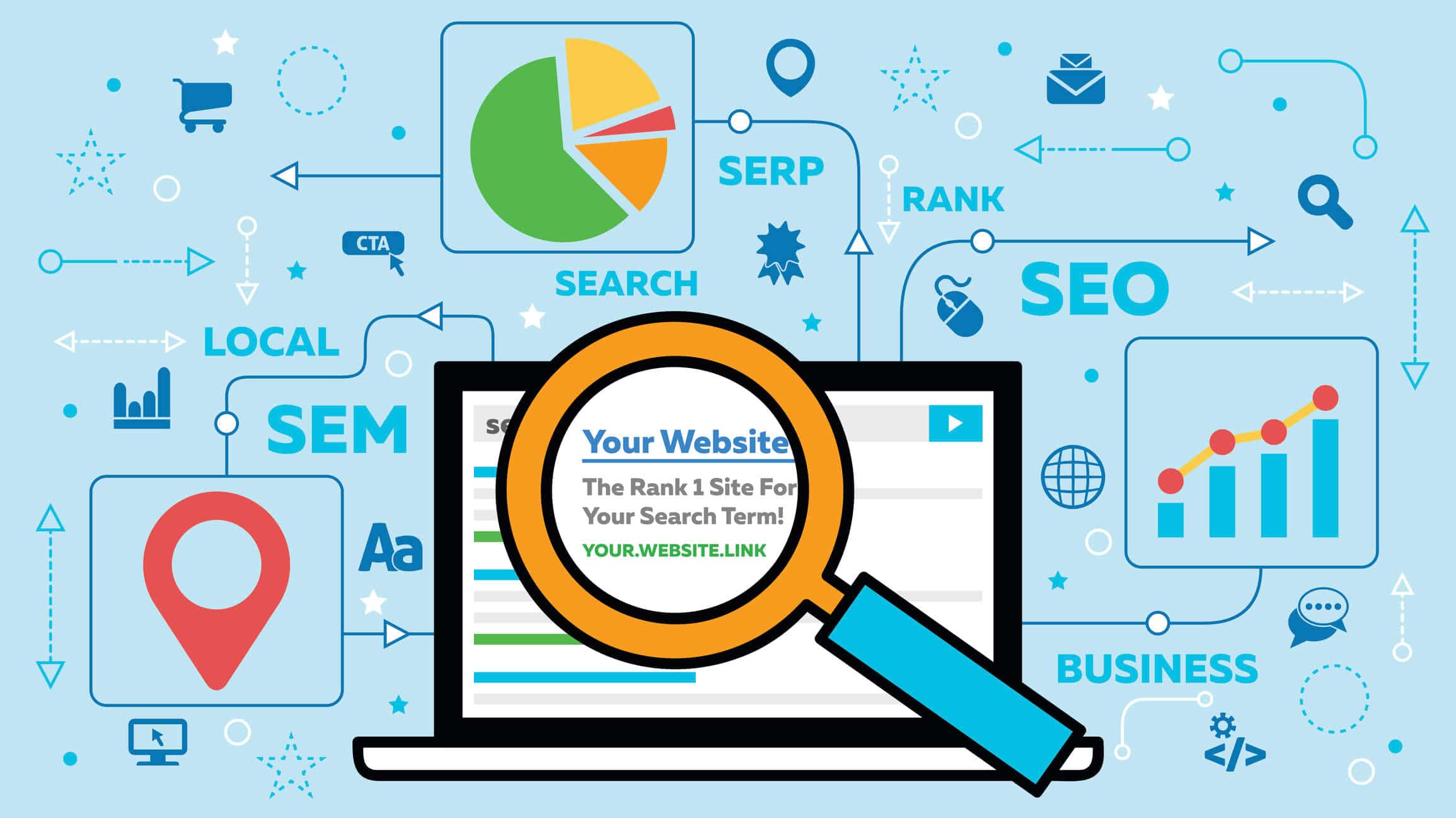
  • SEO (Search Engine Optimization): SEO helps your website be found on the internet across various topics and related to your location. You need to optimize your website for search engines to improve visibility in search results related to your company. Focus on keyword research, on-page SEO, and backlink building.  When was the last time you had an in-depth website audit to see just how you are ranking for the things you offer? It is time now to get that done prior to 2024 so you can be optimized for conversions. Find out how!
  • Mobile Optimization: Over 54% of your internet traffic now comes from mobile devices, such as smartphones and tablets. If visitors encounter a non-optimized website on their mobile device, they are more likely to leave immediately (with a high bounce rate). Ensure your website is responsive and mobile-friendly to ensure a great mobile experience.
  • Page Load Speed: How fast your website loads on any device is critical to not only ranking in the search engines but also when your website is optimized for rapid load times it reduces bounce rates and improves the user experience. Compress images, use browser caching, and choose a reliable hosting provider to ensure your site is loading fast.
  • Validation: Display customer reviews, testimonials, and case studies to build trust in what you can do for your customers. Showcase any industry awards, certifications, or partnerships to establish credibility. Prospects want to see that someone else, other than you, validates your offerings.
  • Email Marketing Integration: Integration with an email marketing platform such as Hubspot or Zoho Campaigns enables you to automate personalized email campaigns. You can set up automated drip campaigns, welcome emails, abandoned cart recovery emails, and more to engage with users at the right time. Implement email capture forms and offer incentives like newsletters, discounts, or free resources. Use automated email marketing campaigns to nurture leads and move them through the sales funnel.
  • A/B Testing: A/B testing helps you identify which variations of a webpage or specific elements (such as headlines, images, buttons, or forms) perform better in conversion rates. By optimizing these elements, you can increase the likelihood of visitors taking desired actions, such as signing up, making a purchase, or filling out a form. Continuously test different elements of your website to identify what converts best needs to .
  • Analytics and Tracking: Make sure you have Google Analytics set up or other analytics tools to monitor visitor behavior and conversion rates on your website. Stop right now and make sure you have it on your website now. Use data insights to make informed decisions and optimize your website further.
  • Social Media Integration: One of the primary goals of social media is to drive traffic to your website. Sharing blog posts, product pages, and other content on social media can attract users who may not have otherwise discovered your website as well as great demand for your products and services. Promote your website and content on social media platforms to drive traffic and engage with your audience. Use social media advertising to target specific demographics and segments. Promote value, ideas, and tips that help prospects and customers grow their business so you can become the SME (Subject Matter Expert) that everyone wants to follow.
  • Live Engagement: Implement chatbots or live chat support to engage with visitors in real-time and answer their questions. Chatbots can provide round-the-clock customer support, ensuring that users can get assistance or information whenever they need it, even outside of regular business hours. Live chat and chatbots can assist users in making purchasing decisions, answering questions, and addressing concerns, ultimately leading to higher conversion rates.
  • Exit-Intent Popups: Use exit-intent popups to offer last-minute incentives or capture contact information before visitors leave your site.
  • User Experience (UX) and Design: You know the saying: a first impression is a lasting impression. Your website is often the first interaction a user has with your brand. A positive UX creates a favorable first impression, which can lead to increased trust, credibility, and engagement. Ensure a user-friendly design with easy navigation and a visually appealing layout. Minimize distractions and make it easy for visitors to find what they’re looking for.

Remember that lead generation is an ongoing process that needs to be updated regularly. What works for one website might not work the same way for another. Continuously monitor your website’s performance, test new strategies, and adapt to changing market conditions to optimize your lead generation efforts effectively.

Building an effective digital marketing program for your business can be confusing today due to the many available options. Pull out your calendar right now and let’s schedule a time when we can figure out together the ONE BIG THING you should do first to get more prospects aware of your products and services that will convert them to customers as well as start an effective marketing plan to get your brand IN Demand! Sign up for a FREE 30-Minute Discovery Call to audit your current marketing plan for better results.

Oh!  When we do talk, you will get our “No Pitching” guarantee. No pitching means we will not try and sell you in any way. If you want MORE after 30 minutes you will have to ask for it!  We think that sounds fair, don’t you? Well, after all, that is what we are known for.

FOCUS 24 Series Discussion Topics

A Beginners Guide to a Successful Inbound Marketing Strategy

A Beginners Guide to a Successful Inbound Marketing Strategy

Business Content Marketing Marketing Our Blog SEO Social Media Video Marketing Your Business

What does inbound marketing mean?

Ok! I will admit that the term “Inbound Marketing” was a bit confusing for me when it first came out many years ago but I realized it was one of those fancy jargony words marketers like to use to confuse people into thinking that need to use them because they know how to say the big words. Wait! I am one of those marketers but I like to keep things simple! So in my humble marketing opinion, I see “Inbound Marketing” as marketing a product or service from your point of view to show how you solve a problem that prompts a sales conversation with a new prospect. Remember customers don’t always buy the best product to solve their problem, they a product they can understand the FASTEST!

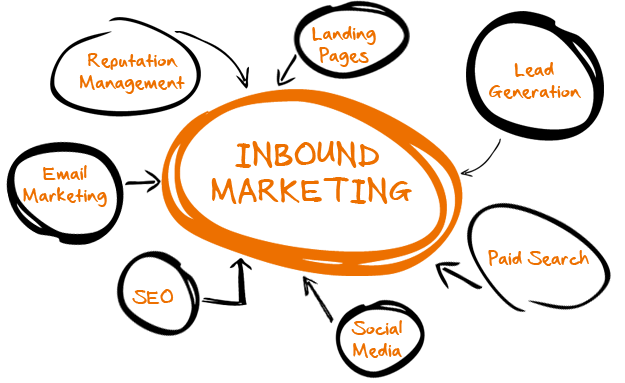
Inbound marketing is more effective when tied to a marketing strategy that focuses on attracting customers through valuable content and experiences. Unlike traditional outbound marketing, which involves interrupting potential customers with advertisements, inbound marketing aims to create a connection with the audience by providing them with relevant and useful information.

The key principle of inbound marketing is to provide value to the audience in what you say rather than simply promoting products or services. By offering valuable content, businesses can establish themselves as industry experts and build trust with their target audience. This, in turn, leads to increased brand awareness and customer loyalty.

Connect customers to your brand through various communication channels with content creation, social media engagement, and SEO and SEM practices. You’ll engage with customers through various communication channels and make a lasting impression using:

  • Blogs
  • Emails
  • Videos
  • Social Media Posts
  • Search Engine Results

Inbound Methodology

At every stage of the buyer’s journey, you can add immense value by providing useful content that viewers will find truly valuable.

By conducting extensive research and creating relevant buyer personas, inbound marketing allows you to better gain a deeper understanding of your consumers and reach them with a more personalized approach in your lead generation strategy. This means that inbound prospects are far more valuable than outbound ones, they are more likely to respond and engage positively with the content you create.

Outbound marketing pushes products and services, while inbound attracts and maintains attention with interesting content. Outbound talks at consumers, while inbound creates a compelling conversation with target audiences. Plus:

  • Content marketing costs 62 percent less than outbound marketing.
  • 59 percent of marketers believe inbound marketing generates higher quality leads (it actually does).

The Strategy

Before you can create the content to drive leads, you need to determine what to say along with how, when, and where to say it. Your content marketing strategy starts the process, bolstered by services such as:

  • Consulting
  • Data From SEO/SEM, UX, Analytics, and Audit Tools
  • Detailed Buyer Persona Mapping
  • Brand Messaging
  • Conversion Rate Optimization
  • Extensive Keyword Search
  • Email Marketing
  • Performance Metrics
  • Analytical Reporting

Copywriting

One of the essential elements of a successful inbound marketing strategy is strong copywriting. Copywriting involves creating compelling and persuasive content that engages the audience and encourages them to take action. Whether it’s writing blog posts, creating landing page copy, or crafting social media captions, effective copywriting is crucial to attract and retain the attention of potential customers.

To create a strong copy, it is important to understand the target audience and their needs. Researching their pain points and desires will help in crafting content that resonates with them. Additionally, using persuasive language, storytelling techniques, and incorporating relevant keywords can further enhance the impact of the copy.

  • Blogs
  • Email Newsletters
  • White Papers
  • eBooks
  • Case Studies
  • Customer Testimonials
  • Product or Service Guides
  • Landing Pages
  • Banners Ads
  • Lead Generation Emails

Graphic Design

Stock imagery and intimidating chunks of copy just won’t do. Inbound marketing calls for engaging viewers with professional, easy-on-the-eyes content. Graphic design services can elevate your story to a visual level, with content such as:

  • Custom Illustrations
  • Branded Infographics
  • UX and Web Design
  • Professionally formatted eBooks, White Papers, and Case Studies
  • Custom CTAs
  • Branded Sales Sheets, One-Pagers, Reports, and Guides
  • Email Templates

In the digital age, visual content plays a significant role in attracting and retaining the attention of online users. Incorporating visually appealing graphics and images in inbound marketing efforts can make content more engaging and memorable.

Graphic design is not limited to just creating eye-catching visuals; it also involves creating a consistent and cohesive brand identity. The use of consistent colors, fonts, and imagery across various marketing channels helps in establishing brand recognition and credibility.

Video

Video has become an increasingly popular medium for inbound marketing. It allows businesses to convey their message in a more dynamic and engaging way, capturing the attention of the audience more effectively than text-based content alone.

Creating high-quality videos that provide valuable information or entertainment can help businesses connect with their target audience on a deeper level. Whether it’s product demonstrations, tutorials, or behind-the-scenes footage, videos can be a powerful tool to showcase a brand’s personality and expertise. some examples include:

  • Product Demos
  • News Updates
  • Interviews and Testimonials
  • Video Blogs
  • On Location Shoots
  • Event Coverage
  • VOX Pops
  • Animation and Motion Graphics
  • Step-By-Step Guides

Social Media

Social media platforms have revolutionized the way businesses connect with their audience. Inbound marketing strategies heavily rely on social media to reach and engage with potential customers.

Social media platforms provide businesses with a direct line of communication with their target audience. By creating and sharing valuable content, participating in discussions, and responding to comments and messages, businesses can build meaningful relationships with their followers.

Moreover, social media platforms offer various targeting options, allowing businesses to reach specific demographics and interests. This targeted approach ensures that the content reaches the right audience, increasing the chances of conversion.

  • Social Consulting
  • Social Media Strategy
  • Channel Management
  • Social Media Advertising
  • Live Posting
  • Snapchat Geofilters
  • Social Media Contest Creation and Management
  • Detailed Performance Reports

In conclusion, a successful inbound marketing strategy involves understanding your target audience, providing valuable content through strong copywriting, incorporating visually appealing graphics and videos, and utilizing social media platforms effectively. By implementing these elements, businesses can attract and engage with their audience, ultimately driving brand awareness, customer loyalty, and business growth.
Anatomy Of A Search Engine Results Page (SERP)

Anatomy Of A Search Engine Results Page (SERP)

Business Design Our Blog SEO Your Business

Understanding the basics of Search Engine Optimization is key. Learning what the basic layout of a search engine results page (SERP) tells you gives you ideas on how to improve your own page rankings. The following gives you the details.

Reach Local shares the anatomy of a SERP in this infographic.

Here’s what they cover:

  • The search bar
  • Paid search ads
  • Organic results
  • Related searches

Check out the infographic for more.


ReachLocal Infographic: Anatomy of a SERP

19 Image SEO Tips To Grow Your Organic Traffic on Google

19 Image SEO Tips To Grow Your Organic Traffic on Google

Business Content Marketing INSIGHTS Our Blog SEO

An easy way to increase organic traffic to your website is to make sure your images are SEO-friendly. Google can not actually see your images on your website. So they have no idea what your image is or how they might support your content on the page.

SEO Sherpa has some easy-to-follow image SEO times in this infographic.

Your current website developer can help you with how to do this yourself. If you need to ask questions or need additional help feel free to click here for help

[Tweet “19 Image SEO Tips To Grow Your Organic Traffic on Google”]

19 Image SEO Tips To Grow Your Organic Traffic on Google